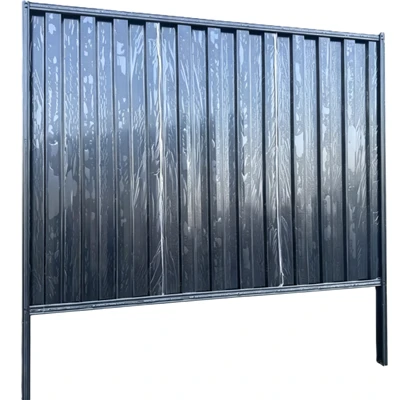
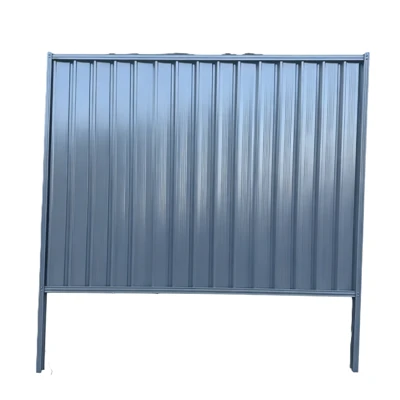
Construction sites are one of the most common application scenarios for construction site fencing. During urban construction, the creation of new buildings or the renovation of existing ones often requires extensive construction work. These activities may involve excavation, concrete pouring, and structural installation, generating noise, dust, and potential safety risks. Construction site fencing plays multiple roles in this context. It effectively blocks dust and debris generated during construction, preventing them from spreading to surrounding public areas and maintaining a clean environment. The fencing prevents unauthorized personnel from entering the construction area, reducing the occurrence of accidents. Furthermore, it can be used to display relevant information about the construction project, such as the project name and construction period, helping the public understand the construction progress.
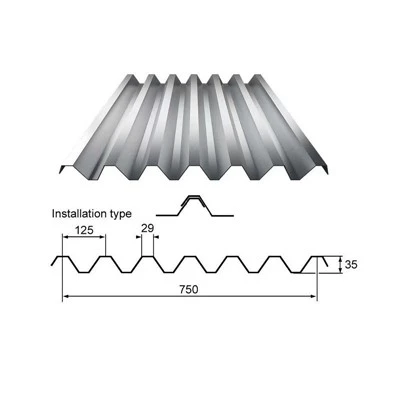
In construction site design, the stability and durability of construction site fencing are typically considered. Due to the potentially long construction period, the fencing needs to withstand the effects of natural elements such as wind and rain, while also being easy to install and dismantle. Common fencing materials include metal sheets, plastic sheets, or temporary fences, which are lightweight yet sturdy and suitable for use on construction sites.