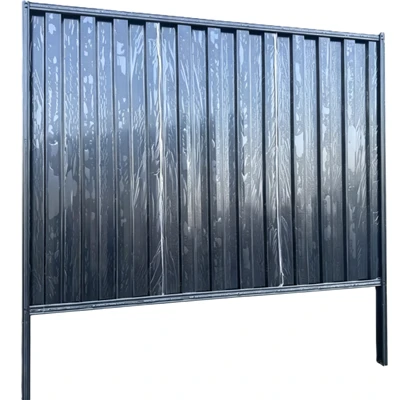
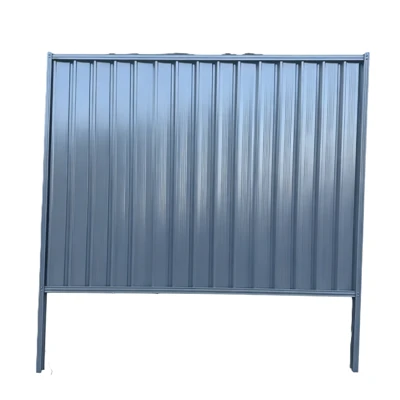
Construction site fencing is a common temporary facility in cities, its main function being to isolate the construction area from the external environment. This isolation is not only physical but also encompasses multiple aspects such as safety, environment, and management. Fencing has a wide range of applications, from residential construction to commercial complex development, from road construction to public facility maintenance.
The basic function of fencing is to ensure safety. Construction sites typically present various hazards, such as falling objects from heights, machinery operation, and material storage. Fencing effectively prevents unauthorized personnel from entering hazardous areas, reducing the occurrence of accidents. It also protects construction equipment and materials from theft or damage.

Besides safety, fencing also reduces the impact of construction on the surrounding environment. Construction processes generate pollution such as dust and noise, and fencing can, to some extent, prevent this pollution from spreading to surrounding areas. For example, dust nets can be installed on the fencing to reduce dust emissions; sound-absorbing materials can also be used to reduce noise transmission.
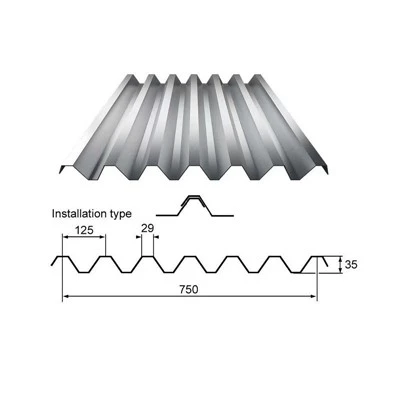
Fencing materials are diverse, commonly including metal sheets, plastic sheets, and sandwich panels. Different materials are suitable for different scenarios. Metal panel fencing is sturdy and durable, suitable for long-term construction projects; plastic panel fencing is lightweight and easy to install, suitable for short-term projects; sandwich panel fencing has good thermal insulation performance, suitable for construction sites with high environmental requirements.